
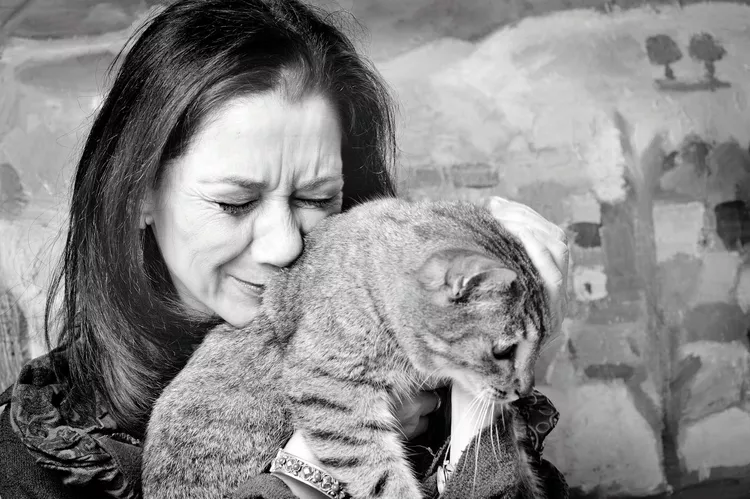
Do cats cry? Cats can and do have emotions; they even grieve. While it's true that cats' eyes sometimes get watery, they don't cry tears for emotional reasons. If you've seen a cat with tears in their eyes at around the same time that they are upset or grieving, it's probably just a coincidence. Here's what you need to know about crying and cats.
Cat Emotions Are Real
Researchers have found that cats do, indeed, have emotions. They can read human facial expressions, and they can experience a wide range of feelings about humans and other animals. When they have feelings, they can act on them. For example:
- A happy cat may purr, rub, play, or otherwise engage with humans and other animals.
- A sad cat may withdraw, lose its appetite, or become less energetic.
- An angry or frightened cat may hiss, arch its back, growl, or swat at a person or another animal.
- Cats may meow when lonely, bored, hungry, or seeking attention.
Cats who are anxious, angry, or upset may make sounds that are similar to a human whine or whimper. These noises are indications of a cat's emotions—and so, in that sense, the animal is crying. However, according to researchers, human beings are the only animals that cry and shed tears when experiencing strong emotions or pain.
What Causes Cat Tears?
Cats' eyes will tear or water for a number of reasons, but they are all medical, not emotional. For instance, it may be due to eye irritation from a speck of dust or a scratch from another cat. Tears might also be caused by contagious diseases such as upper respiratory infections. Clogged tear ducts (believe it or not) can also result in tearing.
Other possible reasons for a cat's teary eyes include:
- Conjunctivitis (pink eye)
- Eye infections
- Allergies
- Structural issues (cats with flat faces and rounded heads are more likely to tear up)
- Dry eye, or lack of normal tear production
- Corneal scratches or ulcers
If you see your cat tearing up, it's important to know that they are not expressing a strong emotion. This is a warning sign that something is medically amiss. Occasional mild tearing may not be urgent but should still be checked by a veterinarian. In some cases, cat tears can be evidence of a serious problem or something that has the potential to become serious without treatment. Contact your vet, who will examine your cat and recommend next steps.
If mild tearing occurs on a regular basis, it's still a good idea to visit your vet. Stroking and kindness—while always welcome—won't do a thing to stop your cat's tears.
What to Do if Your Cat Is Upset
While cats certainly do have emotions, such as grieving or depression, they will never shed tears to show those feelings. Cats communicate primarily with body language along with some vocalization. Any behavior changes in your cat could mean that something is medically or behaviorally wrong. If you are concerned about your pet's emotions, look for other signs such as lethargy, withdrawal, or disinterest in food. These issues can also be a sign of pain or illness.
Before making assumptions about your cat's emotional well-being, always take the first step of checking on their physical health. Your veterinarian can rule out a medical issue and recommend treatment if needed.
If your cat has no medical problems, you can try making some adjustments to enrich your cat's environment. Cats tend to be happiest when they can engage in natural feline behaviors, such as climbing, hunting, running, and scratching. Consider adding things like cat trees, scratching posts, and interactive toys to your home to keep your cat busy. Most of all, spend plenty of time interacting with your cat. If your cat still seems upset after these changes, your vet can refer you to a certified animal behavior professional for further assistance.