
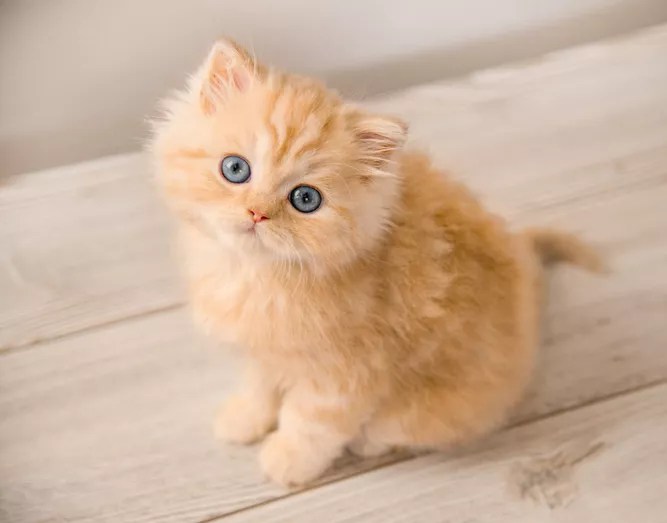
Spaying or neutering your cat is the responsible way to care for your pet, and it's important for both health and behavioral reasons. Female cats may go into heat and get pregnant at four to five months of age. Male cats can impregnate female cats around this age as well.
Spaying and Neutering
A spay is the lay term for performing an ovariohysterectomy on a female animal. This surgery involves the removal of the uterus and ovaries. This surgery will result in the cat being unable to reproduce.
Neuter is the lay term for performing an orchiectomy on a male animal. This procedure is also often referred to as castration. During the surgery, the testicles of the cat are removed, which renders the cat unable to reproduce.
Why Spay and Neuter
Spaying or neutering your cat will not only prevent unwanted kittens but also have health and behavioral advantages. Neutering your male cat early in life can often prevent them from spraying urine to mark their territory in your house. It will also eliminate the risk of testicular cancer and reduce unwanted and dangerous behaviors such as humping, roaming, and fighting. Intact male cats allowed to roam outside are at exponentially higher risk for death due to being hit by a car and contracting diseases such as feline leukemia and feline immunodeficiency virus.
Intact, or non-spayed, cats are at a much higher risk of mammary cancer later in life, which can easily be fatal. Intact females will also come into heat regularly, which can be unpleasant for both the cat and the owners.
Personality Changes
There is a myth that spaying or neutering your cat may change their personality. This is false. Spayed and neutered cats have the same personalities after surgery as they did before. In fact, these animals may be better as pets after surgery as they no longer feel the need to try to find mates. Males may exhibit less aggressive behavior and roaming tendencies.
When having your cat spayed or neutered, talk to your veterinarian about the amount to feed them post-surgery. There is evidence to suggest that cats may gain weight after being spayed or neutered if they are fed the same number of calories as they were prior to surgery. This may be due
to decreased metabolic rate.
The Best Age for Surgery
Most veterinarians will spay or neuter cats at around four to five months of age. The surgery may be performed earlier, as a kitten, but they will need to typically weigh at least two pounds. Early spaying and neutering are preferable for cats to prevent mammary cancer and heat in females and secondary sex characteristics such as urine marking in males.
If you have any questions or concerns about spaying or neutering your cat, you should make an appointment with your veterinarian. They are the best source of reliable, up-to-date information on the medical decisions for your cat.
The Surgery
When undergoing surgery, a cat will first be examined and deemed healthy enough for surgery. Prior to anesthesia, it may be prudent to perform pre-operative blood work on the cat to ensure healthy organ function. Ask your veterinarian if this will be included in the surgery.
During the procedure, your cat will be placed under general anesthesia and have an endotracheal tube placed, or the anesthesia may be administered by intravenous infusion. The cat will be constantly monitored with a pulse oximeter, EKG, end-tidal CO2, temperature probe, and blood pressure monitor, just as humans under anesthesia are monitored. Ask your veterinarian if you have any questions or concerns about anesthesia.
Female cats will undergo an open abdominal procedure. An incision will be made into the abdomen, and the ovaries and uterus will be removed. Sutures will be used to close the abdominal incision. An Elizabethan collar or similar collar may be recommended to keep the cat from interfering with the sutures which usually remain in place for 10 to 14 days. The cat will receive pain medication to go home and will need to be kept quiet for at least a week.
For males, the surgical incision is made into the scrotum, and the testicles are removed. Typically, cat neuter incisions are left open to heal on their own, which encourages drainage and speeds healing. The cat will receive post-operative pain medications.
Home Care After Surgery
Your veterinarian will observe and monitor the cat for a number of hours or overnight after surgery to ensure they are safe to go home after anesthesia and surgery. The cat may be a bit tired or disoriented at home the first night but should be back to normal in the morning. Your veterinarian will give you detailed discharge instructions on how to care for your cat after the surgery. Activity will need to be limited and pain medications administered in most cases for a few days.
You should check the surgery site for swelling, redness, oozing, or missing sutures in the days following the surgery. Complications may occur if pets are too active during the post-operative period or if they lick or chew on their incisions.
Final Thoughts
Spaying or neutering your cat is an important step in safeguarding their health and happiness. It is also imperative to help reduce the unwanted pet population. Though these are major surgical procedures, your cat will be protected from health and behavioral issues that could drastically impact their life. Speak to your veterinarian if you have any questions or concerns.